




Logistics Scheduling Software for Supply Chain Operations
Visual Planning gives logistics and supply chain teams the visibility to anticipate, arbitrate, and act before the problem hits the floor.
✓ Anticipate demand peaks before they disrupt your teams
✓ Identify bottlenecks before they block your flows
✓ Meet delivery commitments without improvising
✓ Manage performance across multiple sites from one place


The Planning Challenges Logistics &Supply Chain Organizations Face
Logistics flow coordination
Organizing deliveries, routes, and inbound supply flows in real time across multiple locations and shift structures.
Meeting operational deadlines
Guaranteeing delivery windows and customer service commitments when demand and conditions change daily.
Logistics resource optimization
Planning workforce, dock capacity, and equipment utilization efficiently across every site and shift.
Multi-site visibility and management
Tracking warehouse and platform activity in real time across a distributed network of locations.
Centralized logistics data
Connecting WMS, TMS, ERP, and field data into one unified operational view without manual reconciliation.
Flexible workforce management
Adjusting headcount based on actual workload, skills, and unplanned absences across permanent and temporary staff.
See What Is Coming Before It Hits Your Operation

Workload and Capacity
Visualize incoming volumes, available teams, open dock doors, and committed resources at a glance. Identify operational pressure points before they become service failures.
Visual Planning puts forecast workload and available capacity in direct comparison — giving logistics managers the data to reassign teams, adjust shifts, and prioritize operations before an imbalance disrupts the floor.
- Anticipate overload risks earlier in the planning cycle
- Adjust team assignments before peak periods hit
- Distribute workload more effectively across teams and shifts
- Identify staffing needs before they become critical
Simulate Peak Periods Before They Arrive
Volume fluctuations demand fast decisions on resources, teams, and available capacity. Visual Planning lets logistics planners model multiple workload scenarios to assess operational impact and prepare for demand peaks well in advance.
- Prepare for peak periods earlier and with more confidence
- Compare multiple operational scenarios side by side
- Estimate resource needs before critical periods arrive
- Adjust team size and capacity more effectively


Track Service Performance and Delivery Commitments
Monitor operational progress, activity levels, and key indicators to identify risks to delivery timelines, flow throughput, and service rate targets before they become failures.
Visual Planning centralizes operational information so teams make faster decisions and adjust priorities as field conditions evolve.
- Identify deadline and operational risks earlier
- Prioritize critical activities faster
- Improve logistics performance tracking
- Facilitate operational and multi-site arbitration
Built for Every Role in the Supply Chain
Supply Chain Director
You need a consolidated view of your flows, capacity, and service rate across every site in real time. Visual Planning is your strategic dashboard to make the right calls before problems reach the floor.
Warehouse Manager / Dock Supervisor
You run daily operations. Visual Planning is your team allocation tool, dock management view, and productivity tracker — so every shift runs as planned, even when the unexpected arrives.
Logistics Planner
You need to see tension building before anyone else does. Visual Planning gives you workload scenarios, resource forecasts, and early alerts so you can act ahead of the problem, not behind it.
Logistics HR Manager
You need to size your workforce precisely, manage temp labor alongside permanent staff, and stay within labor compliance requirements. Visual Planning gives you the data to justify headcount decisions and control variable labor costs.
Connectivity
Connects to Your Logistics Tech Stack
Logistics organizations run on multiple systems. Visual Planning integrates with your WMS, TMS, ERP, and business tools so scheduling data flows automatically — no duplicate entry, no manual reconciliation between systems.
ERP
MES
CMMS
WMS
SCADA
PLCs
Excel
APIs
Duplicate data entry
REST & SOAP
Real-time synchronization
How Logistics Organizations Use Visual Planning
Visual Planning helps transportation and logistics companies coordinate operations, organize resources, and improve visibility across all field activities.
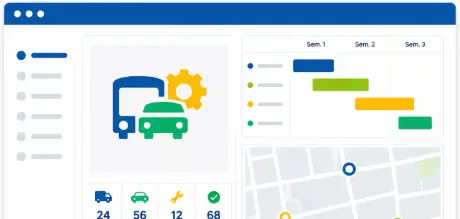
Resource and Equipment Availability
Visualize vehicle, equipment, and logistics resource availability to prevent utilization conflicts across sites and shifts.

Logistics Workforce Management
Track availability, distribute teams based on operational workload, and adjust organization quickly when conditions change.

Field Operations Coordination
Plan logistics interventions, coordinate field operations, and track activities in real time across every location.
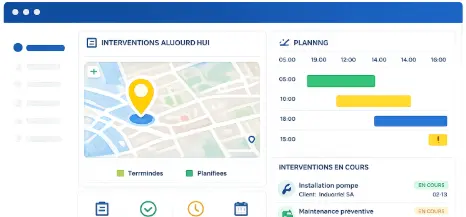
Multi-Site Operations Management
Supervise activities across multiple warehouses, distribution centers, and logistics platforms with a consolidated view of resources and operations.
Built for Every Type of Logistics Organization
E-commerce & Distribution
Volumes fluctuate daily and delivery commitments are tight. Visual Planning helps you match resources to actual demand — no overstaffing in slow periods, no understaffing at peak.
Industrial Logistics
When the supply chain stops, production stops. Visual Planning synchronizes inbound supply flows with production cadences so the chain never breaks at the wrong point.
Transportation and Courier Services
On-time delivery is your promise. Visual Planning helps you schedule sorting teams, coordinate regional depots, and anticipate tension before it impacts your delivery rates.
Third-Party Logistics Providers
You manage multiple client accounts with different SLAs on the same resources. Visual Planning helps you honor every contractual commitment without sacrificing one client for another.
Food and Beverage Logistics
Temperature and sanitary constraints reduce your margin for error. Visual Planning integrates these requirements so compliance never comes at the cost of operational performance.
Pharma and Healthcare Logistics
Traceability, lot numbers, strict deadlines. Visual Planning orchestrates your resources while respecting the regulatory constraints specific to pharmaceutical supply chains.
Logistics Scheduling Software
Frequently Asked Questions
What is logistics scheduling software?
Logistics scheduling software gives supply chain directors and warehouse managers a centralized platform to plan workforce capacity, coordinate delivery operations, and manage resources across multiple sites. It goes beyond fleet and asset tracking to give logistics leadership the visibility to anticipate peaks, balance workloads, and protect service commitments before operational pressure builds.
How is Visual Planning different from a WMS?
A WMS manages inventory movements and warehouse stock transactions. Visual Planning manages the human and operational capacity needed to process those movements. The two tools are complementary and integrate directly — Visual Planning adds the workforce scheduling and capacity planning layer your WMS was not built to provide.
Can Visual Planning handle shift-based and non-standard hour scheduling?
Yes. Visual Planning manages 3-shift operations, rotating schedules, split shifts, and on-call staffing alongside permanent workforce planning. Temp labor and permanent staff are managed in the same scheduling environment with full visibility over total available capacity by shift and site.
Does Visual Planning adapt as our logistics network evolves?
Yes. Visual Planning is fully configurable without custom development. New sites, new workflows, new team structures — your admin team updates the platform as your network grows without opening a support ticket or waiting for a new implementation.
How does Visual Planning connect to our existing logistics systems?
Visual Planning connects to SAP, Oracle, Microsoft Dynamics, and 200+ WMS, TMS, and ERP systems via REST API with real-time bidirectional sync. Operational data flows automatically between systems so your planning always reflects current conditions across every site.
How is this page different from the Fleet and Asset Management page?
This page is built for supply chain and logistics leadership — Supply Chain Directors, Warehouse Managers, and Logistics Planners focused on workforce capacity, delivery performance, and multi-site coordination. The Fleet and Asset Management page is built for fleet managers and asset coordinators focused on vehicle scheduling, equipment utilization, and asset maintenance planning.